History of Clarks in Street
Shoemakers Museum's collections share remarkable stories from of over 200 years of Somerset's shoemaking history. Take a journey through the decades illustrated by a few of our archive objects.
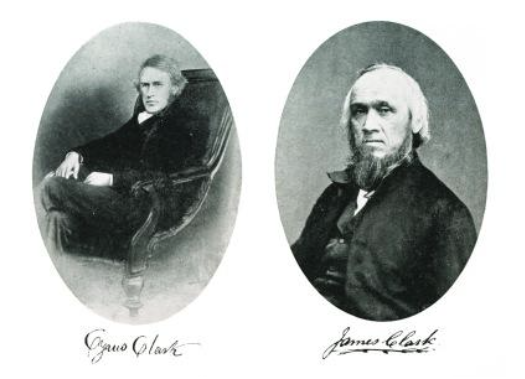
1825
Rugs to shoes
Cyrus and James Clark started out as producers of sheepskin rugs. They had the idea to extend the business using some of the off-cuts to create footwear.1825
Rugs to shoes
Cyrus and James Clark started out as producers of sheepskin rugs. They had the idea to extend the business using some of the off-cuts to create footwear. 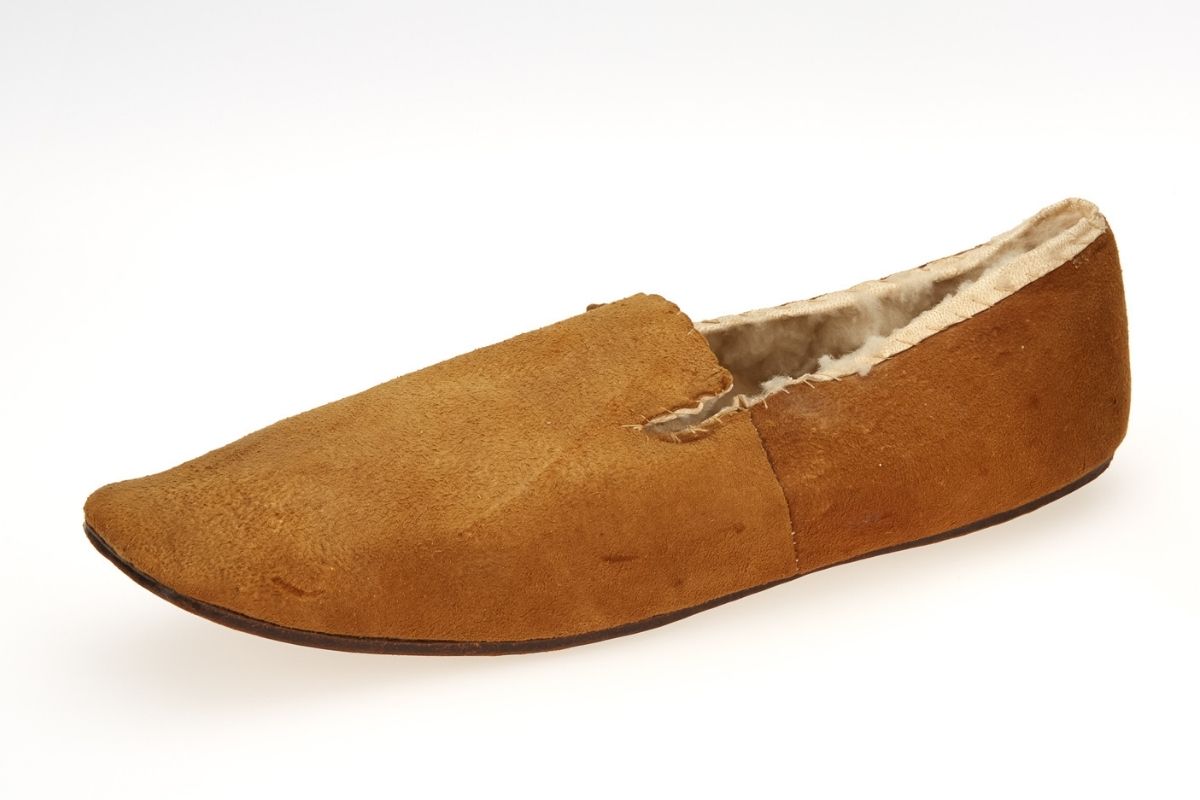
1842
The first shoes
The first Clarks shoes were slippers called ‘Brown Petersburghs’. They were handmade using sheepskin offcuts. They became extremely popular and by 1842 sales were averaging 1000 pairs a month1842
The first shoes
The first Clarks shoes were slippers called ‘Brown Petersburghs’. They were handmade using sheepskin offcuts. They became extremely popular and by 1842 sales were averaging 1000 pairs a month 1842
The first shoes
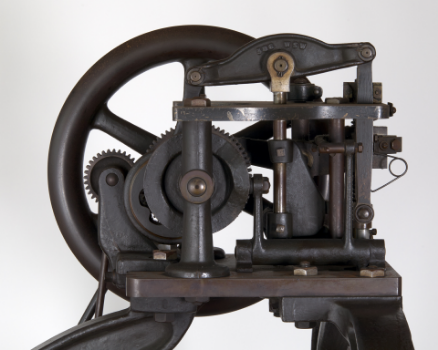
1863
Handmade to factory made
Recession hit! William Clark took over the business and with the financial help of local Quakers introduced the machines necessary to increase factory production. Over time the use of machines replaced many of the hand making processes.1863
Handmade to factory made
Recession hit! William Clark took over the business and with the financial help of local Quakers introduced the machines necessary to increase factory production. Over time the use of machines replaced many of the hand making processes. 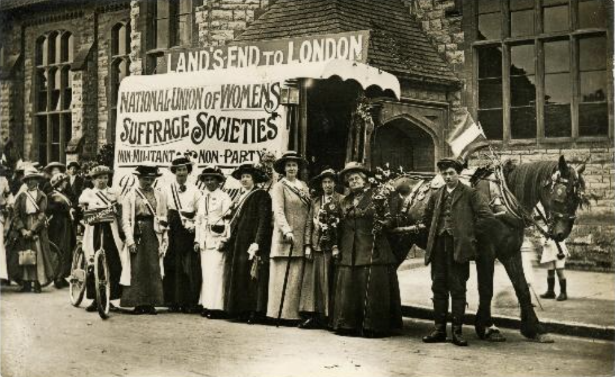
1913
Suffrage and social justice
Rally in support of voting rights for women. Helen and Esther Clark joined the campaign, marching North Petherton to Bridgwater on their way to a rally in Hyde Park, London1913
Suffrage and social justice
Rally in support of voting rights for women. Helen and Esther Clark joined the campaign, marching North Petherton to Bridgwater on their way to a rally in Hyde Park, London 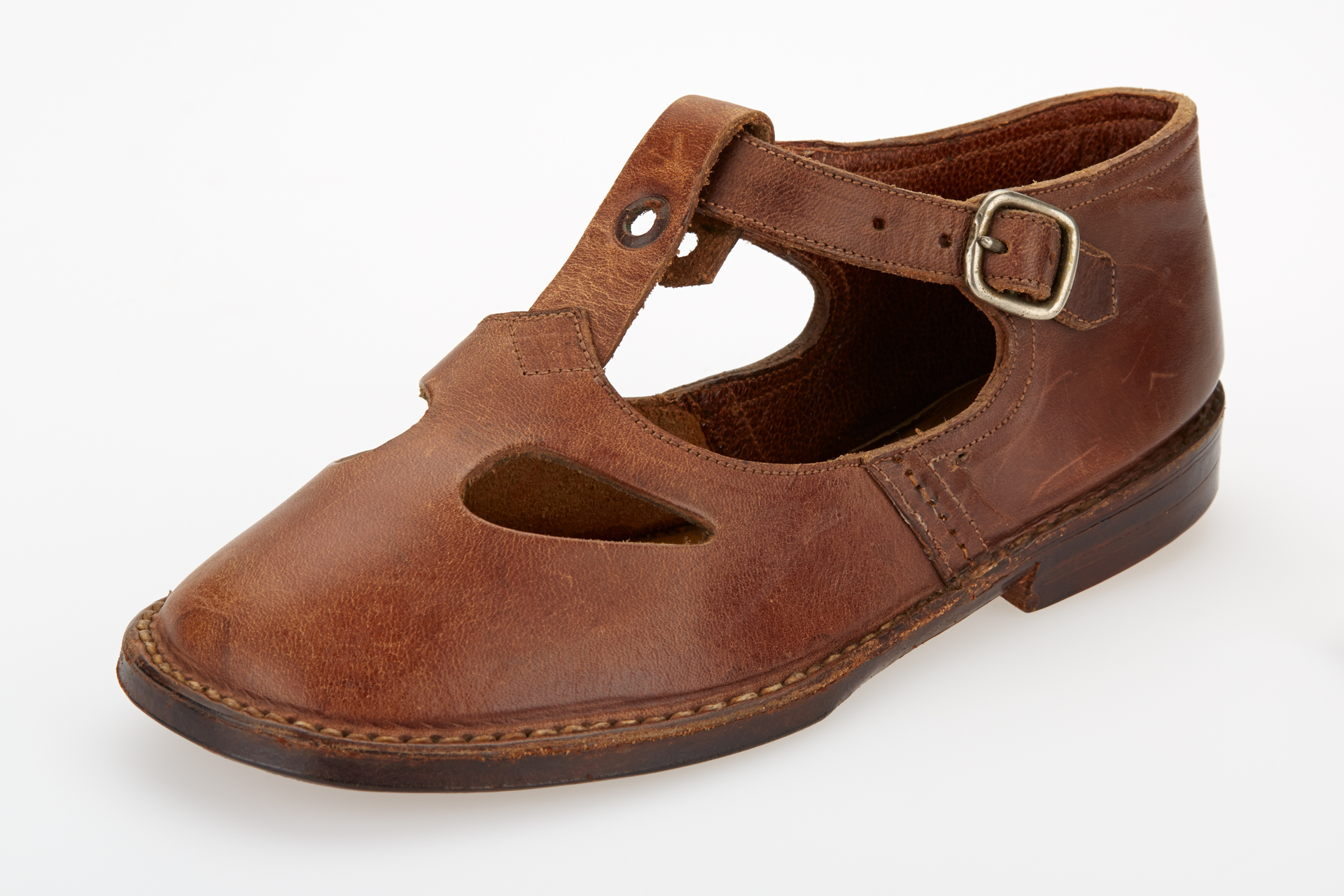
1914
T-bar shoes
New styles of footwear continue to be created, and in larger quantities, including children’s footwear such as this children’s tan leather T bar Clarks Apollo produced between 1914 and 1923.1914
T-bar shoes
New styles of footwear continue to be created, and in larger quantities, including children’s footwear such as this children’s tan leather T bar Clarks Apollo produced between 1914 and 1923. 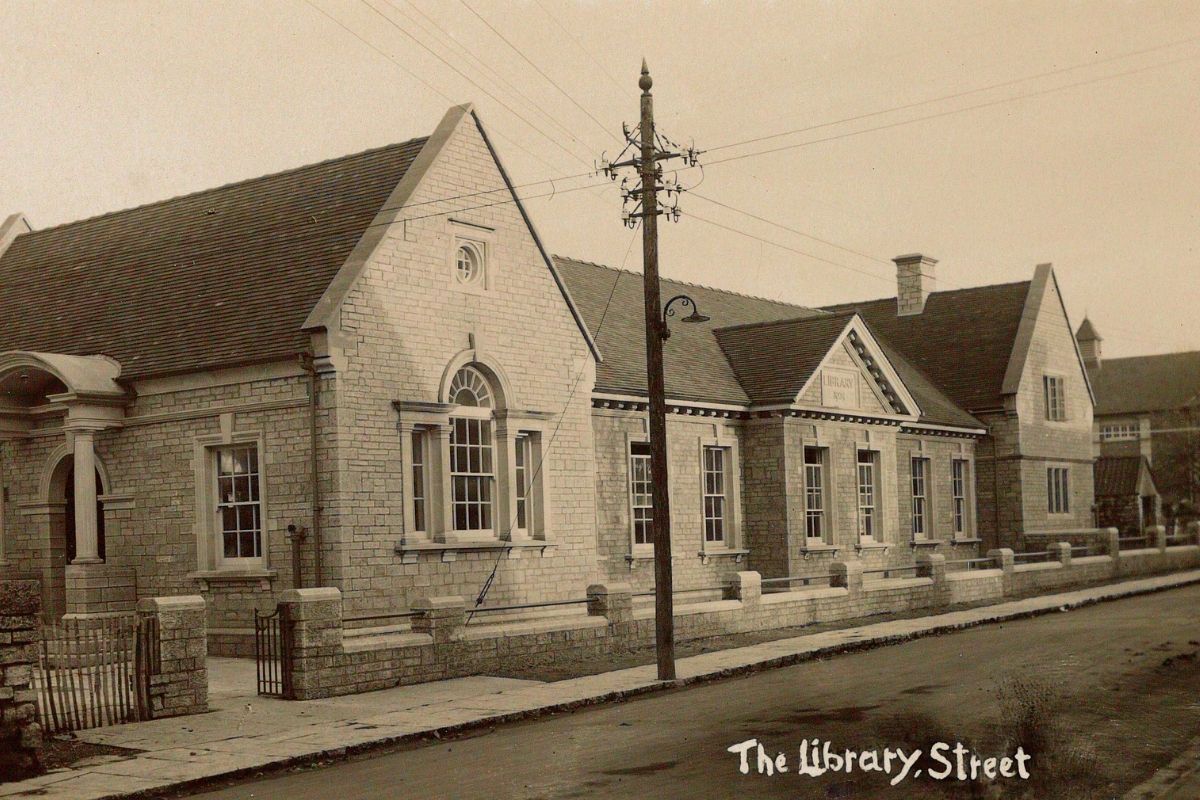
1920s
Schools, libraries and public buildings
Continuing a long Clarks’ tradition of supporting education for its workers, a grammar-type school founded in 1912 was relocated to Elmhurst Road. Strode Day Continuation School on Leigh Road was also created for 14-16 year old employees to study alongside work. Street Library was built 1925. A swimming pool followed in 1935.1920s
Schools, libraries and public buildings
Continuing a long Clarks’ tradition of supporting education for its workers, a grammar-type school founded in 1912 was relocated to Elmhurst Road. Strode Day Continuation School on Leigh Road was also created for 14-16 year old employees to study alongside work. Street Library was built 1925. A swimming pool followed in 1935. 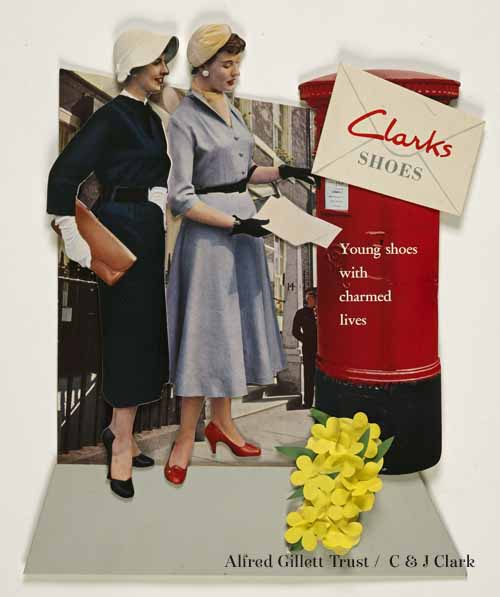
1940s
Aspirational advertising
Famous actresses, dancers and artists were commissioned to advertise and endorse shoe ranges creating desirable associations between the shoes and an aspirational lifestyle.1940s
Aspirational advertising
Famous actresses, dancers and artists were commissioned to advertise and endorse shoe ranges creating desirable associations between the shoes and an aspirational lifestyle. 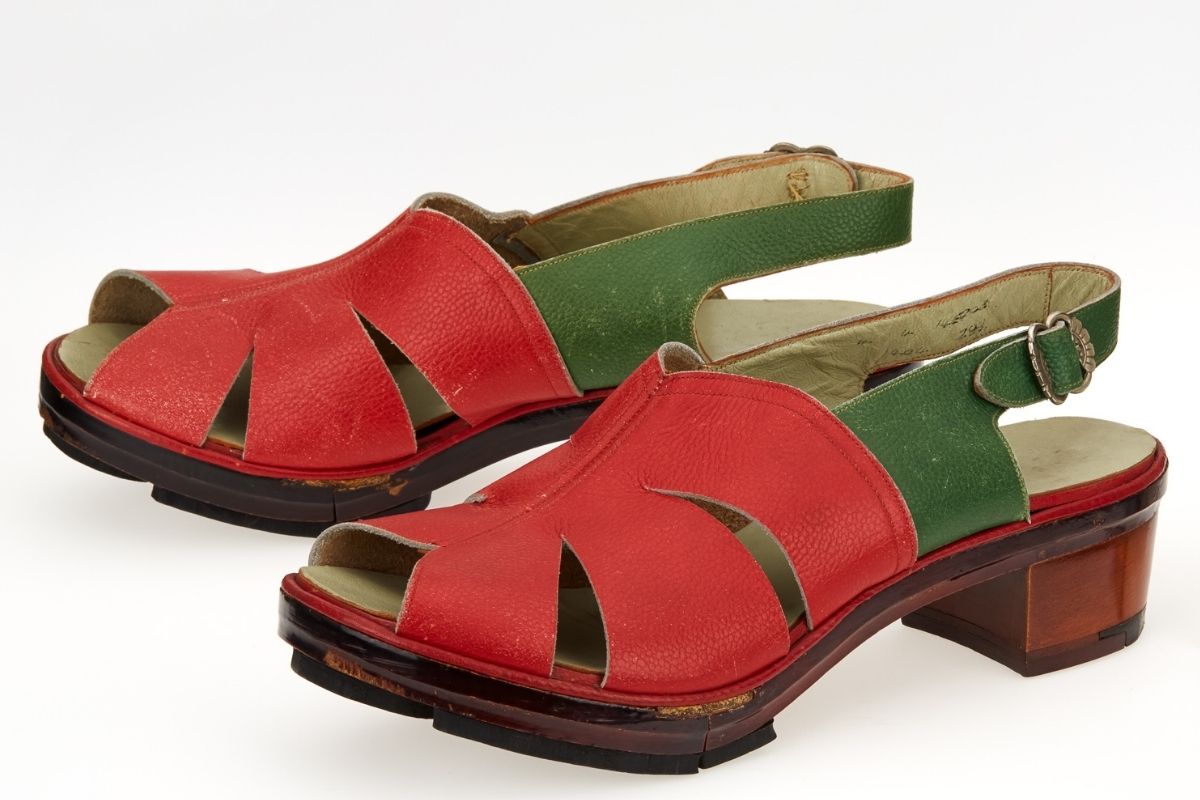
1945
Wartime innovations
Wartime shortages of materials prompted innovations in shoe production. Rubber was unavailable so alternatives were developed such as these wartime wooden soled shoes. They were costly to produce and so although practical in design they were quickly abandoned post war.1945
Wartime innovations
Wartime shortages of materials prompted innovations in shoe production. Rubber was unavailable so alternatives were developed such as these wartime wooden soled shoes. They were costly to produce and so although practical in design they were quickly abandoned post war. 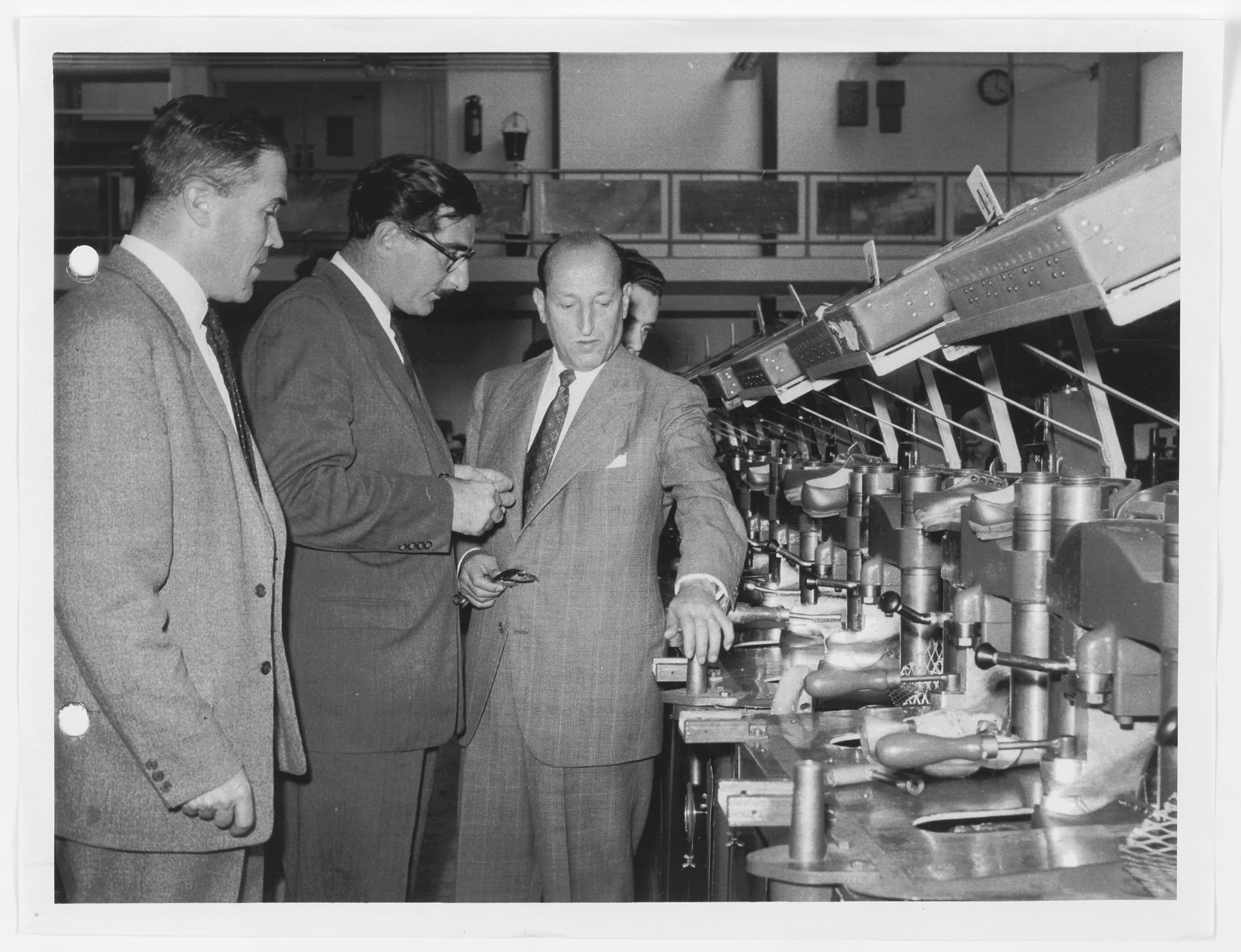
1947
Rubber moulding revolution
The introduction of the CEMA (Construction Electric Mediano Automatico) machine in 1947 was revolutionary. It moulded rubber soles directly onto the lasted leather uppers. By 1957 over 2 million pairs of shoes has been produced by Clarks using this machinery.1947
Rubber moulding revolution
The introduction of the CEMA (Construction Electric Mediano Automatico) machine in 1947 was revolutionary. It moulded rubber soles directly onto the lasted leather uppers. By 1957 over 2 million pairs of shoes has been produced by Clarks using this machinery. 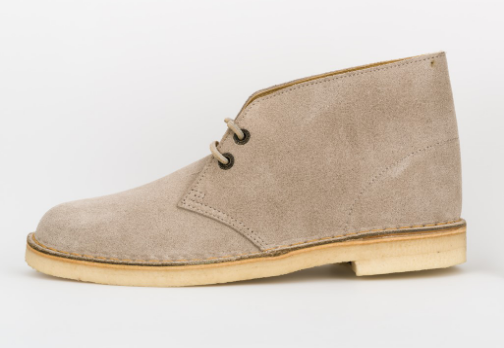
1950
Desert boot debut
The introduction of this crepe soled design was the brainchild of Nathan Clark. After initial commercial popularity within the USA Ivy League set, the design made its way around the globe and entered the cultural style of millions of people from Jamaica to Japan.1950
Desert boot debut
The introduction of this crepe soled design was the brainchild of Nathan Clark. After initial commercial popularity within the USA Ivy League set, the design made its way around the globe and entered the cultural style of millions of people from Jamaica to Japan. 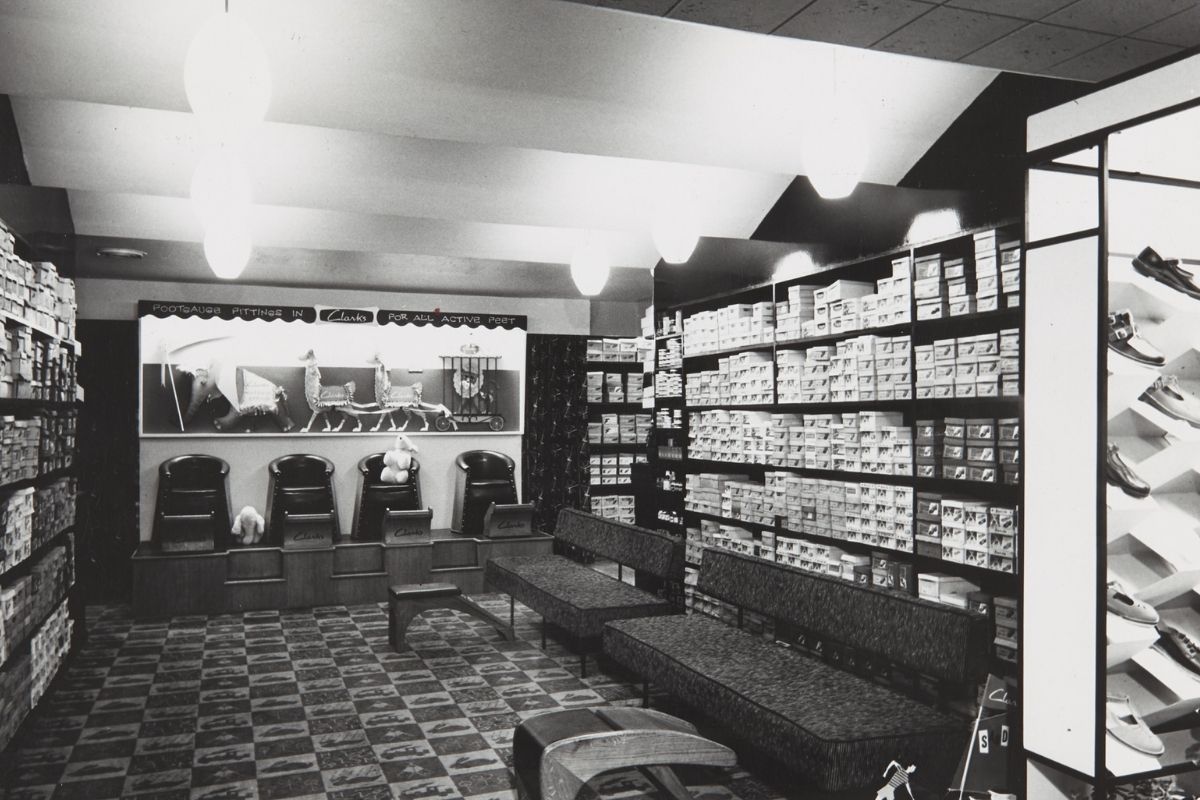
1950s
Post war boom time
The company opened 15 new factories in neighbouring towns and cities. New shops and stores opened, including, in 1957, Clarks’ first flagship store on London’s Regent Street.1950s
Post war boom time
The company opened 15 new factories in neighbouring towns and cities. New shops and stores opened, including, in 1957, Clarks’ first flagship store on London’s Regent Street. 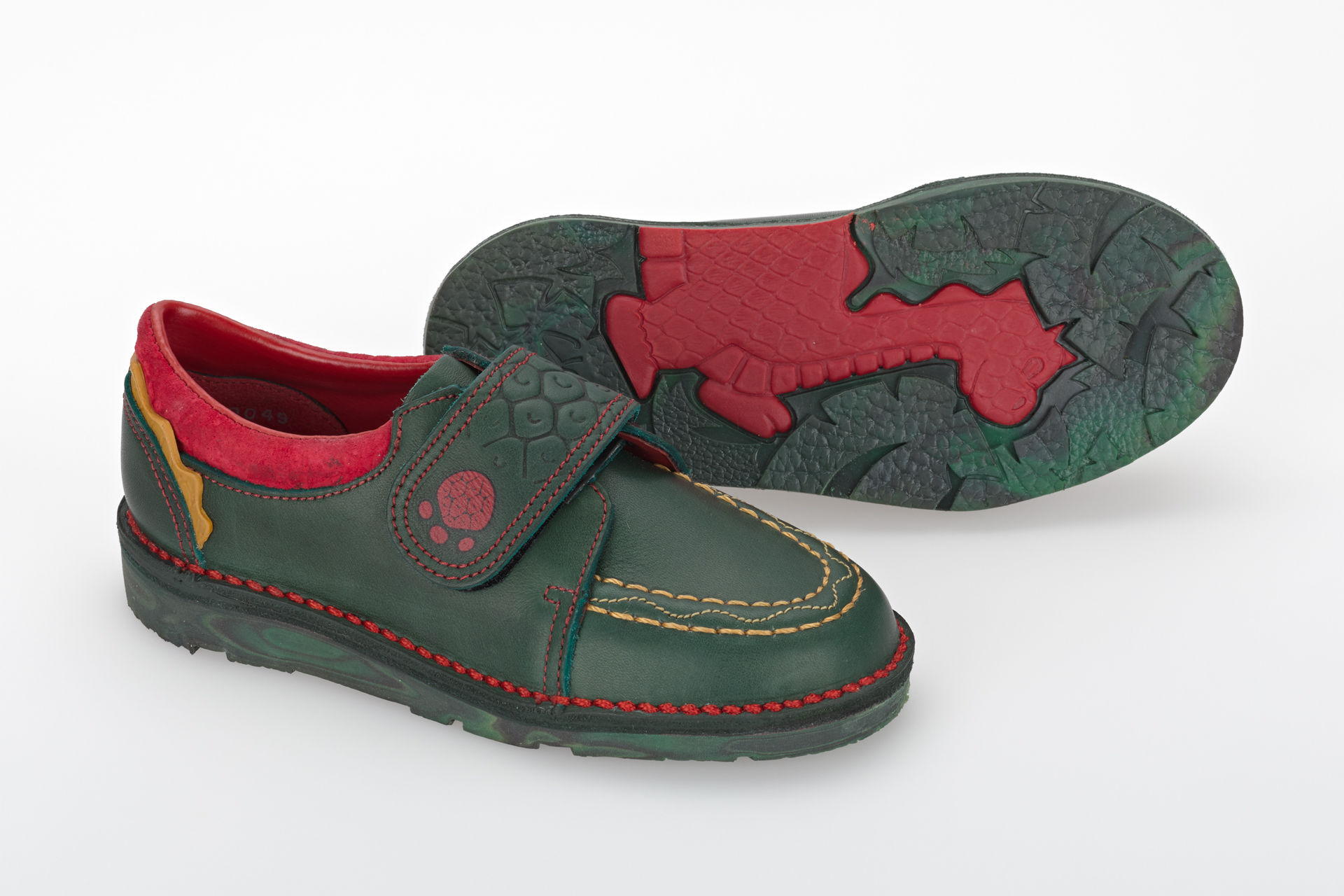
1980s
Practical polyurethane
From 1960s to 1980s innovations and creation of new materials like polyurethane and trademark technologies such as Active Air all helped Clarks retain popularity as one of the world’s best-known names in footwear.1980s
Practical polyurethane
From 1960s to 1980s innovations and creation of new materials like polyurethane and trademark technologies such as Active Air all helped Clarks retain popularity as one of the world’s best-known names in footwear. 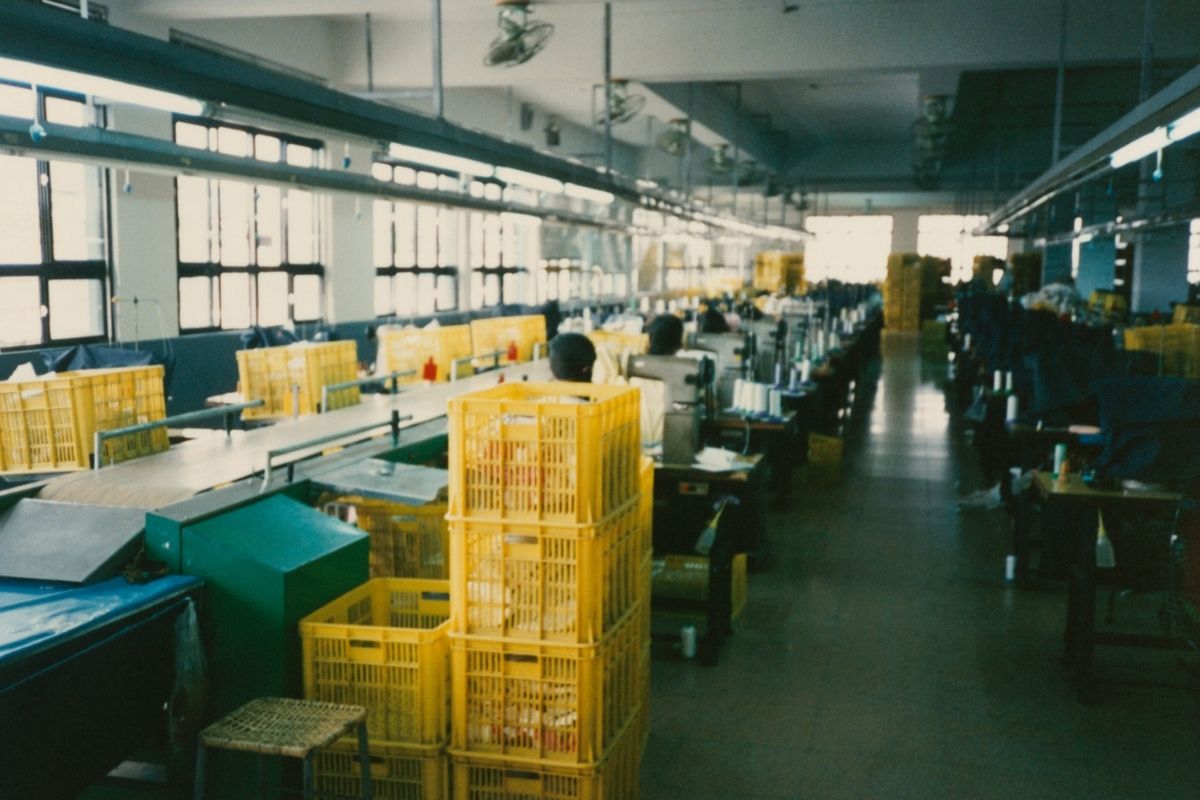
1990s
Production moved overseas
Major changes in world trade meant the company could no longer stay competitive manufacturing in the UK. Production moved to Portugal, initially. The UK factories later closed and the entire production process was moved overseas. The business headquarters remain based in Street.1990s
Production moved overseas
Major changes in world trade meant the company could no longer stay competitive manufacturing in the UK. Production moved to Portugal, initially. The UK factories later closed and the entire production process was moved overseas. The business headquarters remain based in Street. 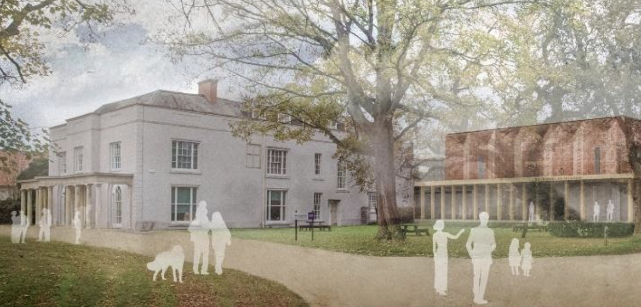
2025
A new museum
The tradition of investing in Street continues. In 2023 planning permission was granted for the creation of a new museum to make the Trust’s collections public. In 2025 Shoemakers Museum will open for visitors to enjoy and share the legacy of the shoemakers of Street. What’s your story?2025
A new museum
The tradition of investing in Street continues. In 2023 planning permission was granted for the creation of a new museum to make the Trust’s collections public. In 2025 Shoemakers Museum will open for visitors to enjoy and share the legacy of the shoemakers of Street. What’s your story? news
Read all news-
News
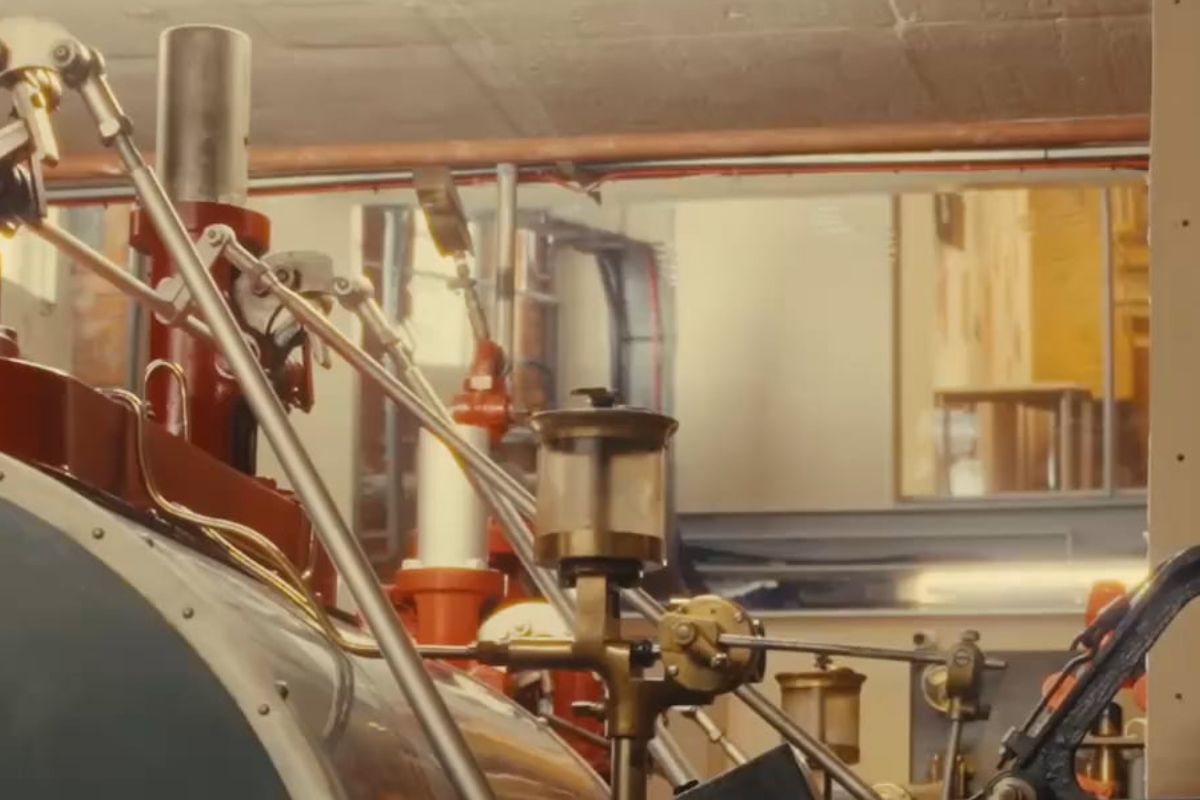
Anthony the Steam Engine – a Heritage Open Days tour
Ahead of this years’ Heritage Open Days tour of HQ we’re visiting Anthony the steam engine.
Read full story -

News
Somerset Arts Weeks Festival at Shoemakers
Launching 19 Sept until 3 Oct enjoy Somerset Arts Weeks Festival ‘Cultural Connections’. Exhibitions, workshop and an installation that explores the cultural ties that shape Somerset, from Palaeolithic to Present, and across Human and Non-Human species.
Read full story -
News
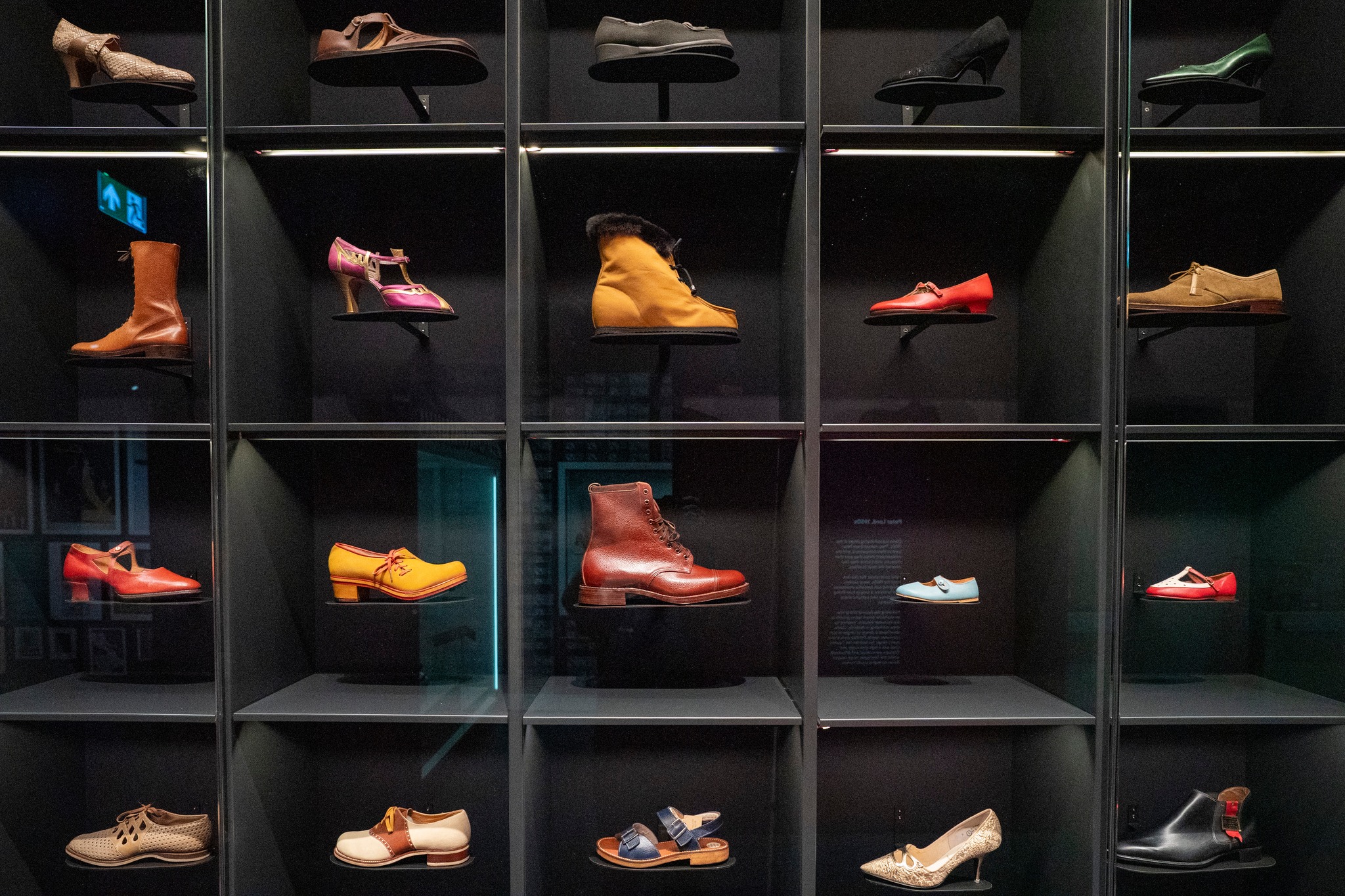
Autumn Museum and Archive tours
Shoemakers Museum ticket holders can get a fascinating insight into the collections with guided tours of the new museum and exclusive behind the scenes archive tours now available to book. Let our collections team be your guide into the stories behind the exhibitions.
Read full story -
News
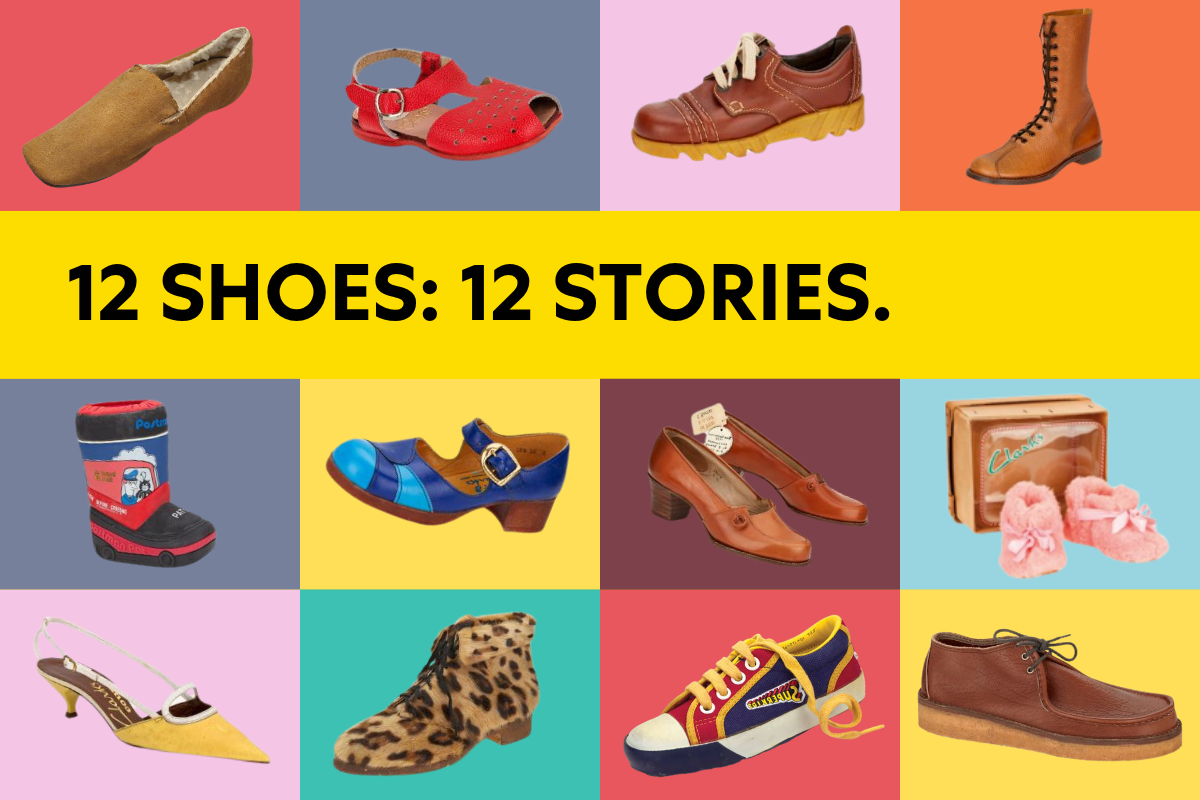
New Exhibition. Add your story. 12 shoes 12 stories
Do you have a pair of shoes with a story? Shoemakers Museum is searching for 12 special shoes for an exhibition. Get in touch before 24 Aug if you’ve got a pair to share.
Read full story